
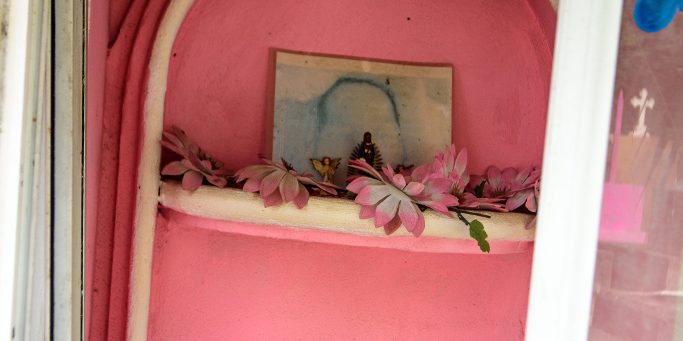
Architecture makes the exterior of a building impressive, but interiors are what validate its function and complete its story. An empty space can be anything you want, if arranged accordingly.
Photographing interiors is a bit like peeking at people’s stories, at their lives. You can understand history, religion, and culture from observing how people decorated their houses, churches, or institutions. Photographing interiors can be a documentary mission or part of your travel photography portfolio.
Here are some tips to help you take the best pictures of interiors.
Pay attention to light
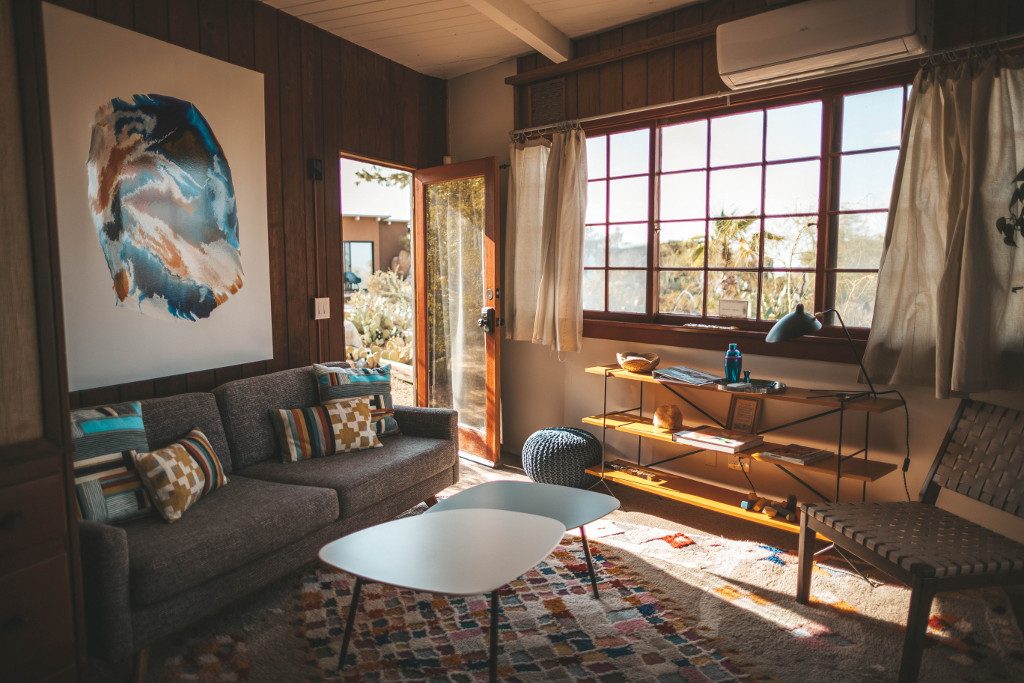
The most important thing when you photograph indoors is the light. It can be natural or artificial, but it’s never enough or well-distributed. Sunlight coming through a window will fill a room with shadows and some very bright parts. Artificial light can have colors ranging from yellow to blue, and can interfere with the objects’ real colors. As a base rule, try to stay with your back against the source of light. This allows your subject to face the light. Also, try to use a flash even if you don’t think it is necessary. Using the flash will help you deal with shadows. Learn to work with the manual mode of flash, because this mode gives you the possibility to adjust flash’s intensity.
Another light related problem is white balance. Due to the fact that artificial light can have its own color, taking an interior picture requires a special white balance to ensure the walls will keep their proper color. If you don’t want to spend a lot of time adjusting the white balance manually, use one of the interior settings of your camera. To find the best exposure you can use a light meter, an device which will find the best exposure parameters based on the light available.
Find out the story
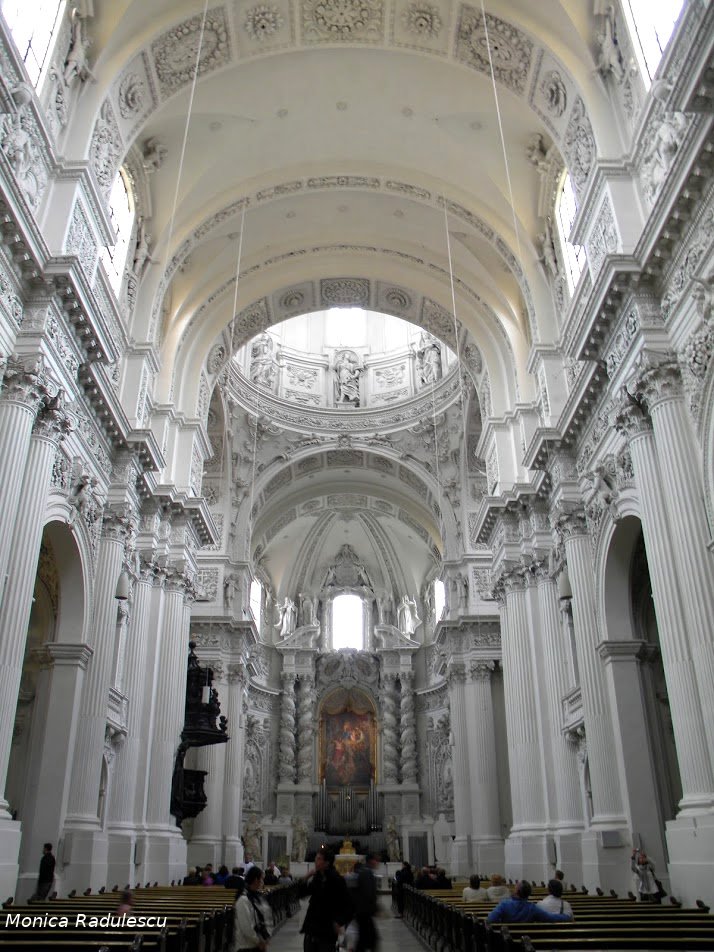
Some interiors are very intimate, like the queen’s boudoir. Every corner and furniture piece holds a piece of history. Grandpa’s armchair, curtains, a children messy room, round tables, and family pictures are just of the elements that will add value to your pictures. But, interiors are not only about families. You can also take pictures in impressive palaces, museums, or churches. Grandeur and luxury are also part of this type of photography. Even the dark sides of prisons, hospitals, or industrial buildings have their own story.
Photographing interiors makes you a storyteller. The composition is very important. What goes in and what stays out of your frames define the story. Don’t stage the frame, but photograph the reality and be truthful to your art. From golden altars to houses destroyed by wars, interiors have the power to move you. Sergei Ilnitsky won the first prize at the World Press Photo Contest 2015, category General News, with a picture called Kitchen Table. The picture was taken in 2014, in Ukraine, during a military conflict, and represents a kitchen table, prepared for breakfast and destroyed by bombs. This is just how powerful an interior photo can be.
Picture in picture technique
Interiors are a good opportunity to practice the picture in picture technique. This technique states that your subject is framed naturally by other objects in your compositions. Talking about interiors, this natural frame can be achieved using a painting frame, family pictures, a TV set, or a window. Picture-in-picture gives the public a sense of time. It’s a story told in many layers and it adds depth to your composition.
Interiors are meaningful places, where you can apply many photography techniques. Practice working with lights and shadows, shapes and geometry, or patterns and textures. Typically, people are not among the subjects, but there is no rule you cannot break. Whether you choose to photograph domestic houses or historical interiors, keep in mind that nothing would have been there without people.