

Abstract photography gets its inspiration from painting and arts. Although some consider it outside reality, abstract photography reflects reality in a unique way. It may reflect an emotion, a mood, an abstract concept, a scientific phenomenon or simply a geometric pattern.
Oxford Dictionaries defines ‘abstract’ as ‘Existing in thought or as an idea but not having a physical or concrete existence’. But photography is something real, something visible. Still, combining abstract ideas in an artful matter push creativity beyond limits and deliver amazing abstract photographs.
The Art of Seeing
The most difficult part of abstract photography is to find a subject. Geometry can help you with that matter. It’s essential to train your eye to see beyond the reality that surrounds you. Look for lines, shapes, and patterns. Transform flowers in textures. See concrete, wood, and glass as raw materials and not as finite products. Abstract photography means sometimes to decompose the reality in materials, fibers, fabrics, and go even deeper than that.
Abstract subjects are everywhere around you. You don’t need gritty factories or urban landscape to find them. A forest or a beach may be a source of subjects just as good. The difficult part is that the environment doesn’t deliver your subject. You have to extract it, to build it, to compose it. Abstract photography gives you the possibility to interfere with your composition. You can choose strange angles and perspectives. You can ‘fix’ reality to express your thoughts. You can use filters to distort reality. For example, you can use a colored filter to transform real colors in shades of red or orange. Or you can intentionally move the camera while taking pictures to achieve a motion blur. Abstract photography gives you room to play, to explore, and to build. But everything you choose to do has to converge to an idea.

The Art of Manipulating
Among the many techniques used to achieve abstract compositions, there are several easy techniques anyone can master. They are zooming, panning, using reflections, and unfocused images.
- Zooming means getting really close to your subject. It decomposes the object in front of you in elements, and then in materials, and after that in something unrecognizable. Look for patterns and textures, shapes, and colors.
- Panning means moving the camera at the same time as a moving subject. Use a slow shutter speed. Focus on the subject as it enters the frame and simply follow it while shooting. It takes some practice, but the results are fascinating.
- Using reflections is always a good idea when you take pictures in rainy days. Urban landscape is completely changed when reflected in wet windows or puddles. You can also try to take pictures through wet windows, glasses, or anything that suits your subject.
- Every photographer tries to have sharp images. Once in a while, taking an unfocused picture may have a great result. This is a useful technique when your subject is not very interesting, but it has some good features (shape, colors etc.). Develop your composition as a painter will do. Use layers and strokes, colors and silhouettes. For achieving this effect you have to use your camera with manual focus settings.
The Art of Editing
Many photographers use image editors to transform their images in abstract photography. There are many known techniques to do that. Of course, you can use any technique you like or develop your own. From overlays, repetitions, cropping, and color adjustments to stereographic photography everything is possible. Modern image editors have also filters and presets that can help you transform your images.
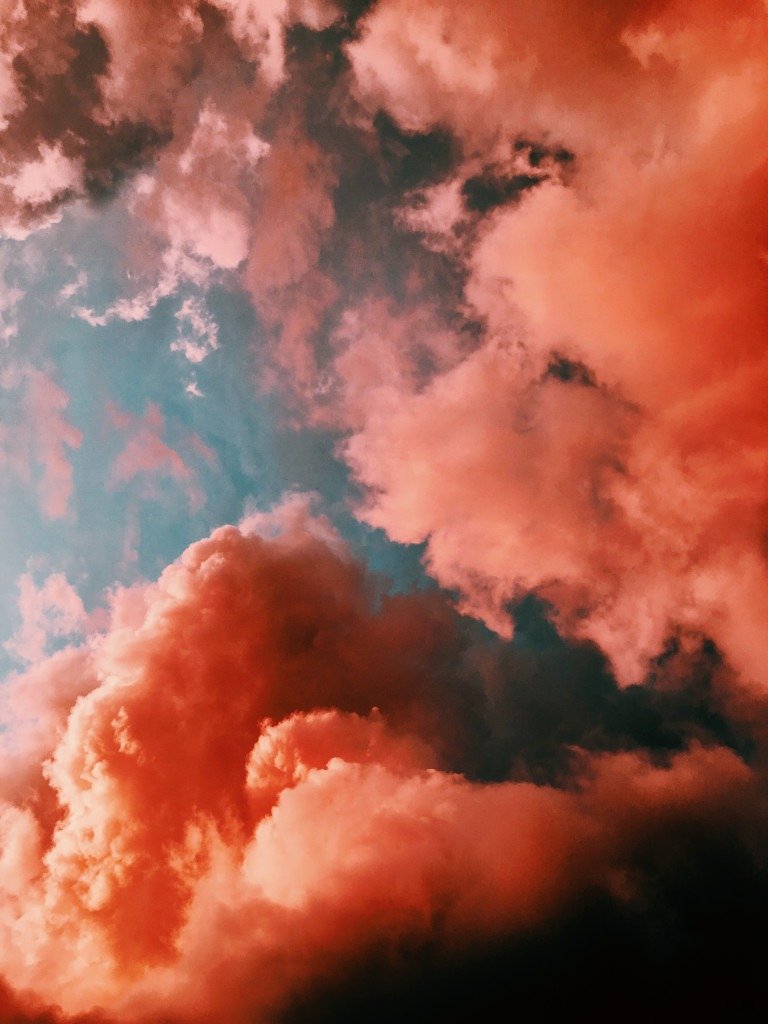
Abstract photography is challenging. Most of all, you really have to like it, to be enthusiastic about it, and to look for the best technique to express your feelings. This type of photography is also useful as practice. Learning to see beyond reality is essential for a photographer. Details are not always easy to spot. Finding the best perspective and shooting angle are also very important. So practicing with abstract subjects forces you to overcome your limits.