

Close-up photography is one of the most interesting forms of photography. Diving into the intimate world of objects, plants or animals is a fascinating subject for human curiosity. Close-up photography captures the smallest details and offers us the beauty of observation. Maybe the strongest virtue of a close-up photographer is patience. Take your time an observe the world that surrounds you. Astonishing details are waiting to be discovered.
Subjects for close-up photography
Close-ups are dedicated to day to day life. From kitchen tools to wildlife there is no restriction. If you use a good angle and make a balanced composition, the most common object will win you over. A model of a coffee cup or the muzzle of a cat can look completely different if you get really close. More important than the subject is the composition.
Use basic photography rules like the rule of thirds. Not every subject needs to be central. Follow lines and shapes, as they attract the eye and can ruin your frame. People often believe that close-up photographs don’t need composition, but a good subject is never enough in photography. The technique is essential.
How to do close-ups
There are two ways to do close-ups: getting really close to your subject and zooming. Both methods have their advantages and disadvantages. Getting close is not always possible, especially when the subject is alive. Also, your camera has a limited focal length. If you use a fixed focal length lens (for example a 50 mm one) you won’t be able to photograph at a smaller distance. If you use a lens that allows a range of focal lengths (like a 18 – 55 mm one) you may have more freedom. Zooming is also different from lens to lens. Don’t forget that zooming increases the chances of camera motions and use a tripod if available.
Modern technology offers easy access to macro lenses. Even microscope objectives are available. If you want to buy a dedicated macro lens, pay attention to the magnification factor, focal length, and image stabilization.
Close-up photographs look better if you use a shallow depth of field. This means that just a small part of your image will be in focus (the subject’s area). The rest of the image will be blurred. To achieve a shallow depth of field, use a large aperture (a small f-number). Getting closer to the subject or using a large focal length are also used to have a shallow depth of field. You can also achieve this effect by using special effect lenses like Lensbaby.
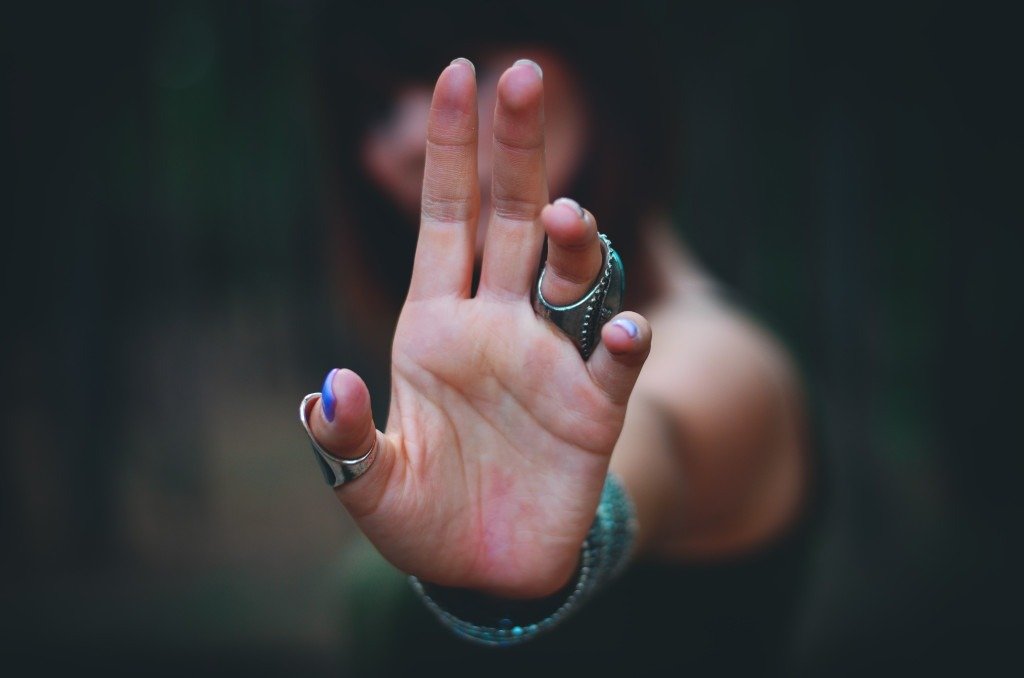
Close-up photography with a phone camera
While professional gear can help you a lot these days, phone cameras are not so bad themselves. Smartphone cameras have a really small focal length (for example, Samsung’s cameras have a focal length equivalent of a 28 mm). This means you can get very close to your subject. The large screen allows you to have a nice preview. Also, the size of the phone makes it easy to handle. When using a phone camera is better to get close to subject than using the zoom factor. Phone cameras usually have a very small optical zoom. You also have to pay attention when shooting in low light conditions, because phone cameras are not very good in these conditions.
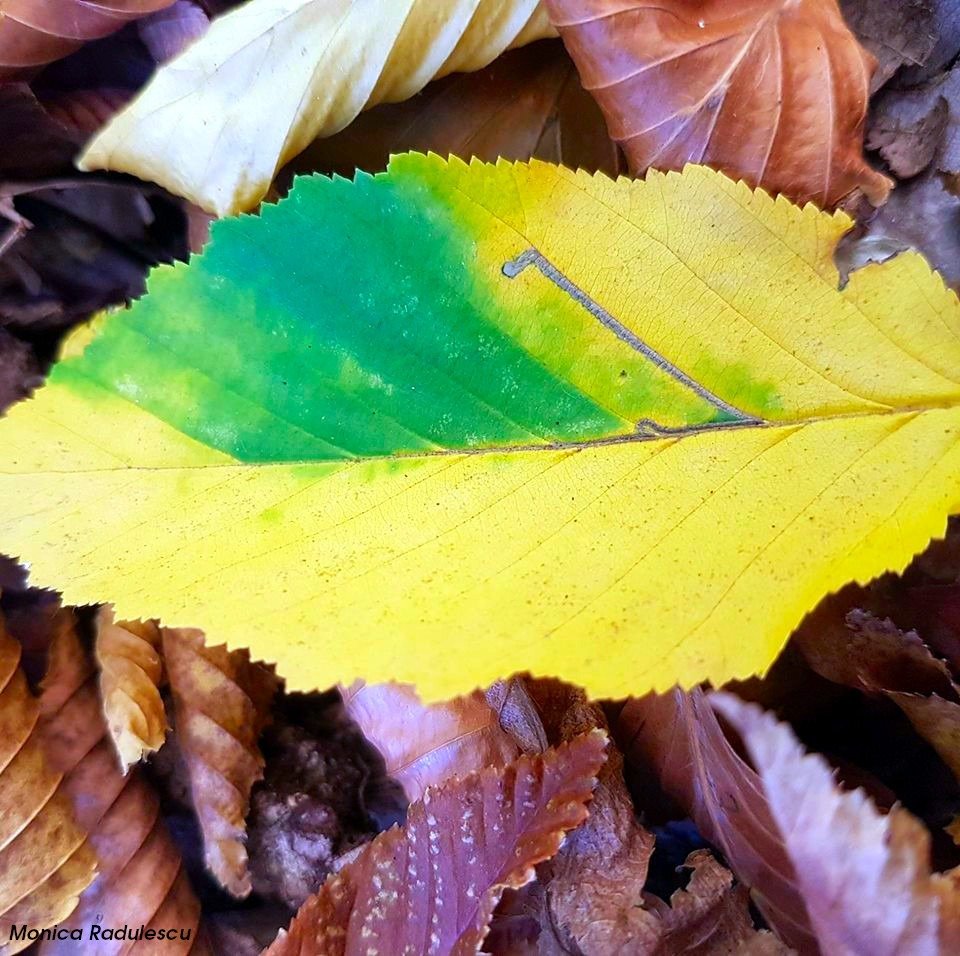
Imagine you can photograph snow flakes, petals, insects, and rain drops. Imagine you can look for spring flowers and see inside a rosebud. Imagine a feather or your pet’s fur. There is a wonderful world of details out there. Things are not what they seem. Close-up photography is the masterpiece of a curious and patient photographer. It’s the work of a photographer who loves life and nature. Close-up photography is about understanding and exploring. It’s about us.