

Food photography is not just for advertising, cooking blogs, and restaurant menus. It is a part of local culture and lifestyle, travel photography, and your special moments. However, taking good pictures of food is not an easy job. The end result should be clean and look tasty, meaning you must work very well with lights, colors, and contrast.
After all, most people eat with their eyes. And, since plating is an art, your pictures should reflect this.
Here are some tips to make realistic food photography.
Best places for food photography
Famous restaurants are the first place to look for beautiful foods to photograph. If you can enter Noma (a two-Michelin-star restaurant in Copenhagen, Denmark) and taste the magnificent Nordic cuisine, take pictures of everything you eat. A fancy restaurant will give you the chance to photograph incredible dishes.
But restaurants are not the only places you will find great subjects for food photography. An exotic Asian market, a Turkish bazaar, a Dutch cheese market are great places, too. Go where people celebrate food and enjoy cooking it. Visit an old relative and photograph the cookies you are offered; visit a winery or a bakery, an Italian pizzeria or a local café. Additionally, don’t just look for food, but for that special pleasure of cooking and eating the food.
Composition tips for food photography
Maybe the most important tip when it comes to food photography is to fill the frame with food and plates. Focus on your subject and blur everything else. Use a shallow depth of field to achieve that. Despite the rule of thirds, often used in photography, food looks better in a central position. Get very close and try as many perspectives as possible.
Taking pictures from above looks great in food photography as well. You can also put in the frame any related objects or ingredients that will help the viewer understand the story of the presented food.
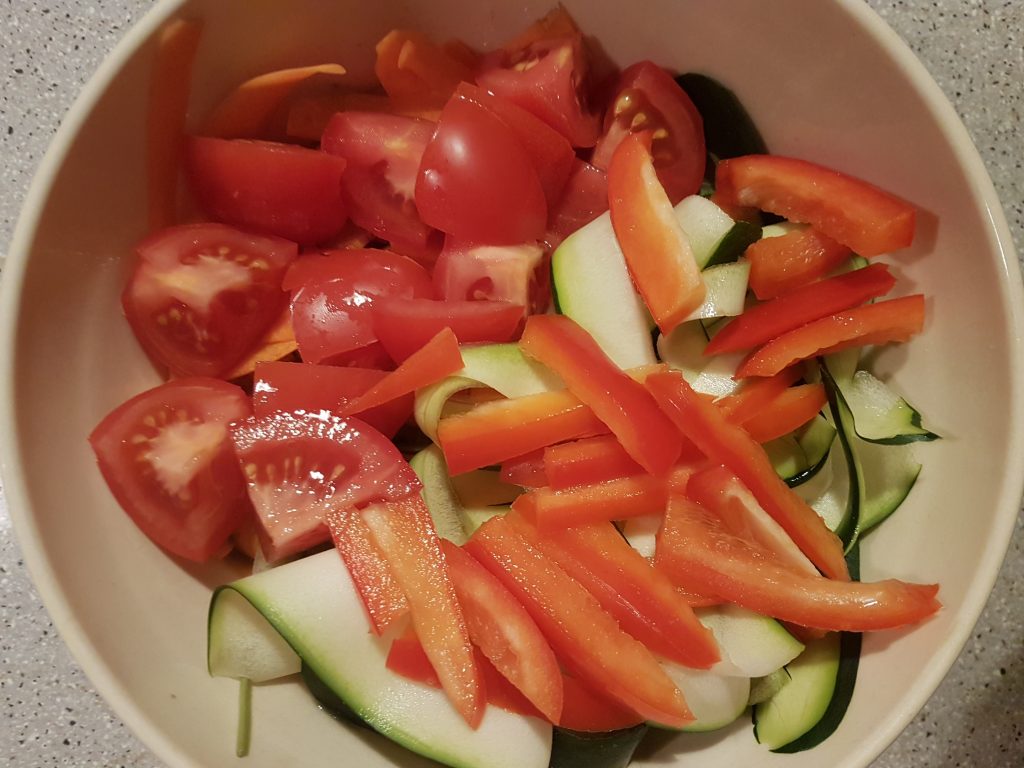
Some technical aspects you should consider
Light is very important for food photography. Many photographers use studio lights to achieve the best results. If you are outside the studio, try to position the food in natural light. It’s the easiest way to preserve the natural colors of food. Don’t use the flash, it will destroy all that it appetizer and fresh in your picture. Lateral light is the best you can ask for, take advantage as much as possible.
Foods don’t need long exposures, so use fast shutter speeds and low ISO (to avoid noise). Besides, you don’t want to leave the food on the plate for too much time. Freshness is very important when it comes to food quality. Water drops, steam, oily dressing, frozen drinks, and three-dimensional characteristics are always a plus. Don’t wait for the ice cream to melt. Be fast!
Use a tripod when you can. It can give you access to new perspectives without risking a blurred image.
Pay attention to white balance. Nobody wants a yellowish shade all over their food. If you can’t manage it on the field, use post-processing software to correct it.
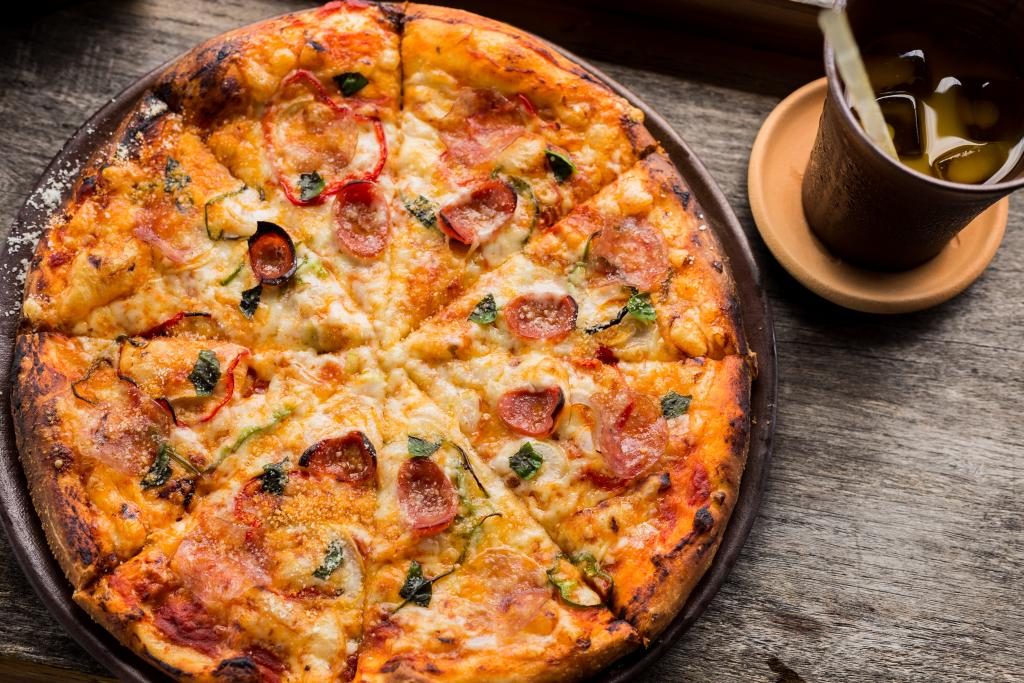
Food photography is full of colors and flavors. It is a great way to practice working with geometry, proportions, shapes, and textures. It also needs precision and a good dose of realism. Creativity is always required in photography, but when you work with food you need to faithfully describe the reality. And it should be tasty!