

Architecture is a combination of art, precision, and utility. It is the legacy left behind by our predecessors and the simplest way to understand history and lifestyle.
Initially, architecture was strictly connected to nature and available resources. Today, it is equally a display of lifestyle and culture.
Architectural photography is popular and has imposed a style in interior design as well. It is also common in travel photographers’ portfolios. However, although architectural subjects are easy to find, architectural photography is not an easy topic.
Here are some tips to find your way in architectural photography.
Find the best perspective
Geometry is key to building successful buildings and photographing memorable architectural pictures. The photos you take should reflect the geometric, unique qualities of the building in front of you. For example, if the building is tall and narrow, consider using a portrait frame and put the camera as low as possible to emphasize height.
Also, tall buildings should be photographed in their entirety. Buildings often have a special shape, a well-designed volume, and many details and features, so explore your subject and locate the special perspective that will put it in value.
Embrace the possibilities and capture images from near and far, low and high (if possible), and zoom in and out before choosing the image(s) you like most. After all, architectural pieces require time and effort. For example, the North Rhine-Westphalian State Parliament building, from Dusseldorf, Germany, looks like a clock mechanism if seen from above.
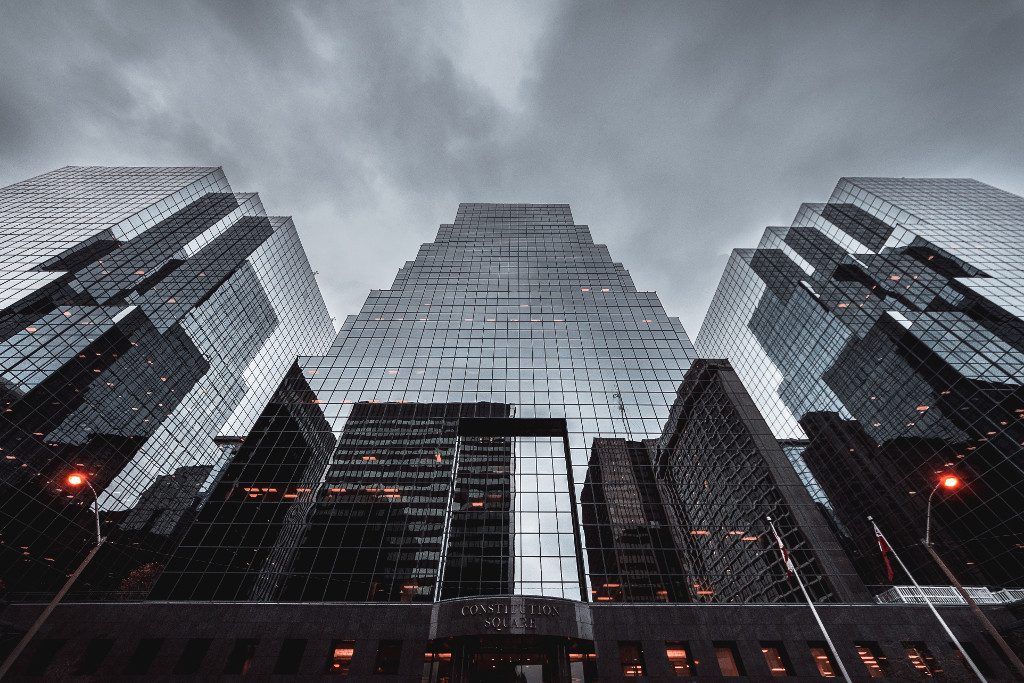
Don’t be afraid of unusual angles
Architectural photography includes buildings, bridges, towers, churches, highways, and many other pieces designed and built by man. They are three-dimensional objects and offer you a lot of material to work with.
Imagination has no limits.
Don’t focus solely on landscape photos from eye-level. You are free to photograph from any angle, not just the conventional ones. You have the option to photograph a part of the structure in front of you, above you, or place the camera above your head to photograph the shape projected in the sky. You can also choose to photograph diagonals, sharp angles, doors and windows, balconies, and facades.
You have options.
Use the light in your advantages
If you notice that a structure looks better in a certain light, arrange to take pictures when it looks best. Some buildings are actually built in relation to the sun position. In fact, you’ll notice some bridges look stunning at sunset; Some highways are crowded at certain hours in the day. Architecture has its own life and your pictures should reflect it.
Use the light intelligent and let it put your subject in value. For example, a glass structure in the golden sunset (or sunrise) light will give reflections you’ll never forget. An old building with flickering Christmas lights will be alive again. A lighthouse in a misty morning is an entire story. In short, light is the source of reflections to consider when capturing subjects.
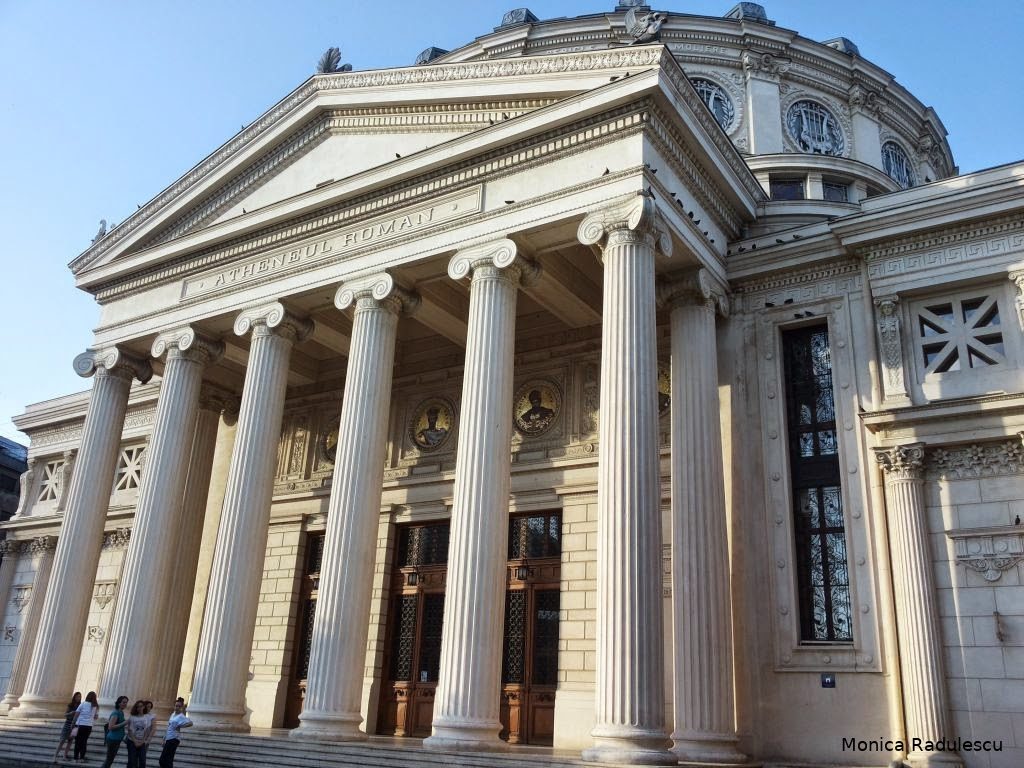
Some technicalities
Architectural photography doesn’t have a recipe for success, but outdoor photos generally looks better in wide angles. If you want to use just a single lens, choose a 50 mm one. Night photos usually require a tripod, especially if you want to photograph long exposures. Similarly, interior photos often require a tripod, although the lighting conditions may not be so good. Keep in mind, when shooting interiors, use automatic settings for white balance and the lowest ISO possible in order to avoid blurring and noise.
Architectural photography requires sharp pictures, so use a deep depth of field and a fast shutter speed whenever is possible.
Architectural photography is rich in history. A healthy amount of research can help you understand the people who lived there, architects and styles, social conditions and fashion. If possible, visit the location several times in order to fully understand it.
Such as the case with any form of photography, architectural photography has to tell a story.