

The night is a magnificent time for photography. Lights and shadows make every dull object a masterpiece. There is a story at every street corner. Moonlight and starry sky create a romantic mood. Who wouldn’t want to take pictures at night? But night photography is a real challenge. Limited lighting can be a nightmare if you aren’t prepared. Here are some tips to master night photography.
Use a Tripod
Low light means a longer exposure time and a lot of chances to blur your picture. Night scenes almost always require the use of a tripod. There is no way around it. If you don’t have a proper tripod with you, you can improvise one from anything there is at hand. Sometimes a backpack, a car, a bench in the park, or even the ground can be used as a tripod.
Silhouettes
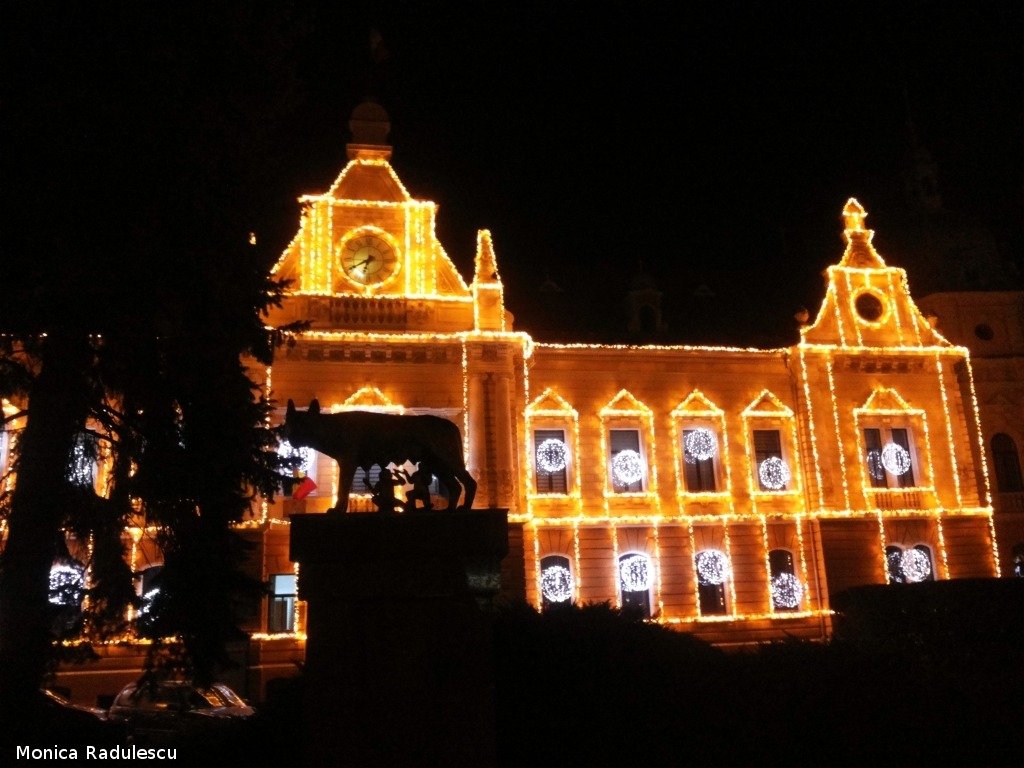
While photographing lights is exciting and fun, photographing shadows is much more interesting and subtle. A night scene with dark silhouettes will move the attention to a deeper meaning. After all, night in the city is not just about cars and lighted windows. It is a time for stories and adventure, for mystery and discovery. Photography is about showing people what they are missing.
Long Exposure versus Short Exposure
Lights can be tricky to photograph, but they also can be an amazing subject. Think of city lights, cars, lanterns, and so on. If you use a fast shutter speed (around 1/1000th for example) the lights will be caught in the moment, fixed and sharp. But if you use a slow shutter speed (even 10 seconds or more) the lights will flow like a river. This is truly painting with light. Explore different exposures and don’t be afraid to create your own painting. After all, photography is an art.
The Holiday Season
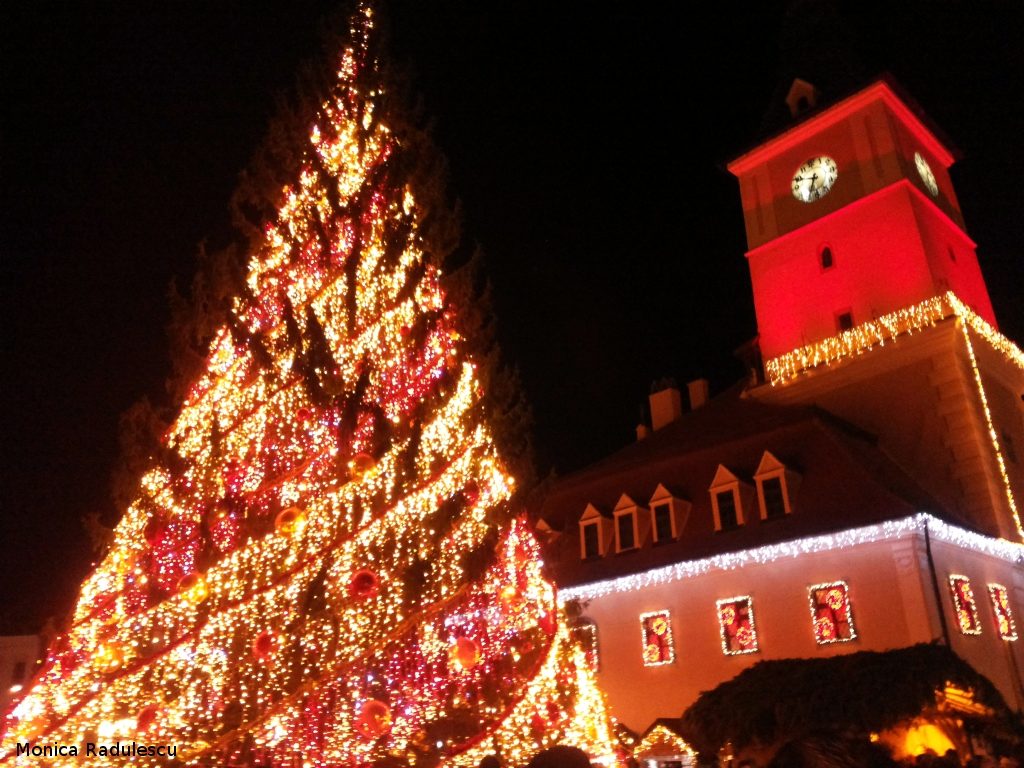
If you are a fan of city life and you want to do photography at night, don’t miss the holiday season. Often, this means Christmas or New Year, but every place has its own moment of glory and glow. It can be the local festival, the national day, or whatever celebrating moment. Decorated cities show their best. Carnivals and festivals bring people on the streets, giving you even more subjects and scenes. Night photography is about atmosphere and mood. From silent, empty streets to fireworks and reindeers made of lights, night is a special storyteller.
To Use or Not to Use the Flash
Because there is a small amount of natural light, you will probably be tempted to use a flash. Nevertheless, using a flash for a night scene is tricky. The flash has a limited range of action and sometimes can be very powerful. This means that it will light up brightly what is in its range of action, and everything else will just be black. If you want to do a night portrait for example and use the flash to light up your subject, the landscape around will turn black. Use the flash only when you want to photograph a certain detail. For landscape photography try to use the flash in manual mode, which allows you to choose its intensity. For very wide scenes, do not use the flash at all.
Special effects
There are some simple tricks that will help you to achieve great picture with no effort. One of them is to use a star filter. They come in different types of stars and the result is an outstanding star around every lantern or candle light. Another simple one is to learn to do Bokeh. Bokeh means a soft background, achieved by using fast lens and wide aperture (f/2.8 will do it). When you have the lights of the night in that background, you will achieve that soft diffuse glow, which every romantic movies has at some point.
Night photography is for the artists and romantics. It is hard to do it properly, but it really deserves the effort. The dance of lights and shadows, the stories of the empty streets, the celebrations, and the darkness are always among the preferred subjects of any photographer.