
Everybody does landscape photography that includes water, especially when an ocean or a lake is nearby. But the real challenge lies in taking pictures from the water itself. The coastline can be an incredible view. Boats and swimmers are also good subjects. The waves and the colors of the deep waters offer amazing possibilities. You just have to be out there and be prepared for it. Here are some advises to photograph best photos from the water.
Equipment and Protection
This category includes both you and your camera. Taking pictures on the water means you are on a boat or any floating device or you are swimming. In all situations, you have to be sure you have the proper equipment for you and your camera. You’ll probably need a life jacket and your camera will probably need a waterproof cover. You’ll probably need to wear sunscreen and your camera will definitely need a UV filter (it just protects the lens, you don’t have to do anything special with it). Even if you are on a boat, travel light. Don’t take a heavy camera and all your accessories. Even a backpack can get in the way.
Use Wide Lens
You want to photograph the coastline, the city or the beach. You can include swimmers, seagulls or boats of any kind. This means that all your subjects are far away and you want to include them all in your pictures. Furthermore, when taking pictures on the water, everything can move. This means you want a lens that will decrease the probability of blurred pictures while it will help you to frame all the view in one picture. So, it’s best to take a wide lens with you. A general 18 – 50 mm lens will do just fine.
Use Reflections
Water is an amazing source of reflections. Especially if your landscape includes irregularities, you should take advantage of this natural property. There is something magical in a mirrored photo. Pay attention to the horizon line and try to keep it as straight as possible. Look for shadows and lights and enhance them in your pictures. Reflections work best on still waters, like a lake or a very calm sea.
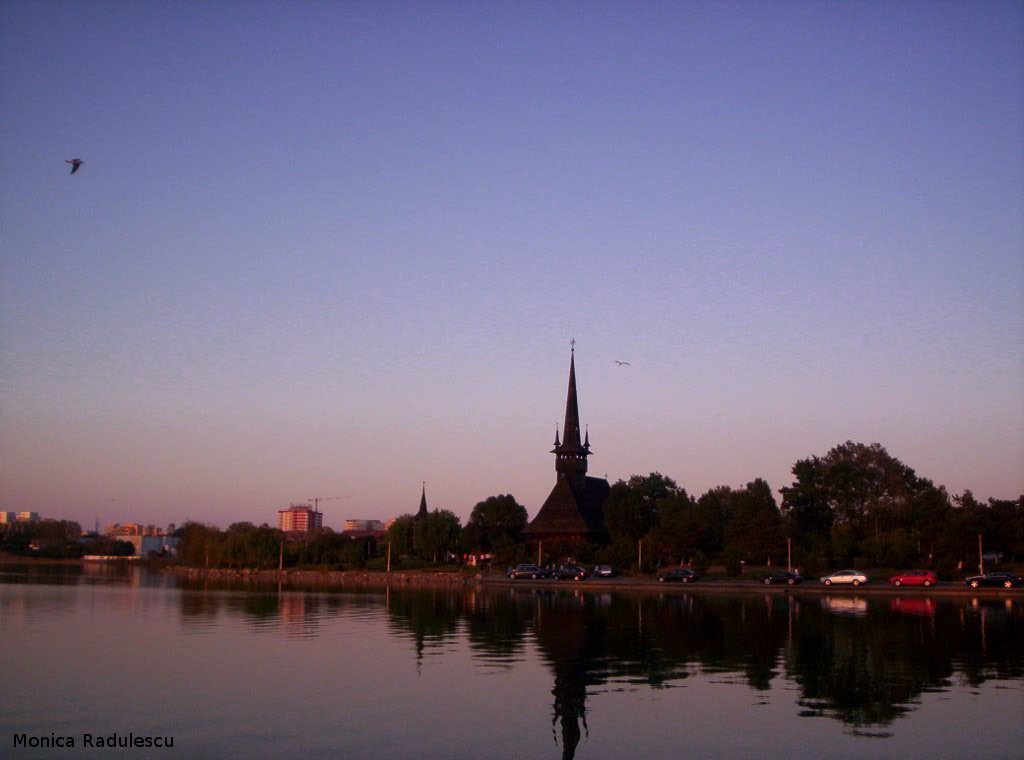
Look for Contrast
When you are surrounded by water and sky, everything might seem too blue for you. If you are searching for contrast there are some elements that can help you. For example, you can include in the picture elements from the boat you are on. This adds a sense of extra framing. Picture within a picture effect is really powerful because it can tell an entire story in a second. You can also look for colorful subjects, including buildings, harbors, lighthouses, buoys, and so on.
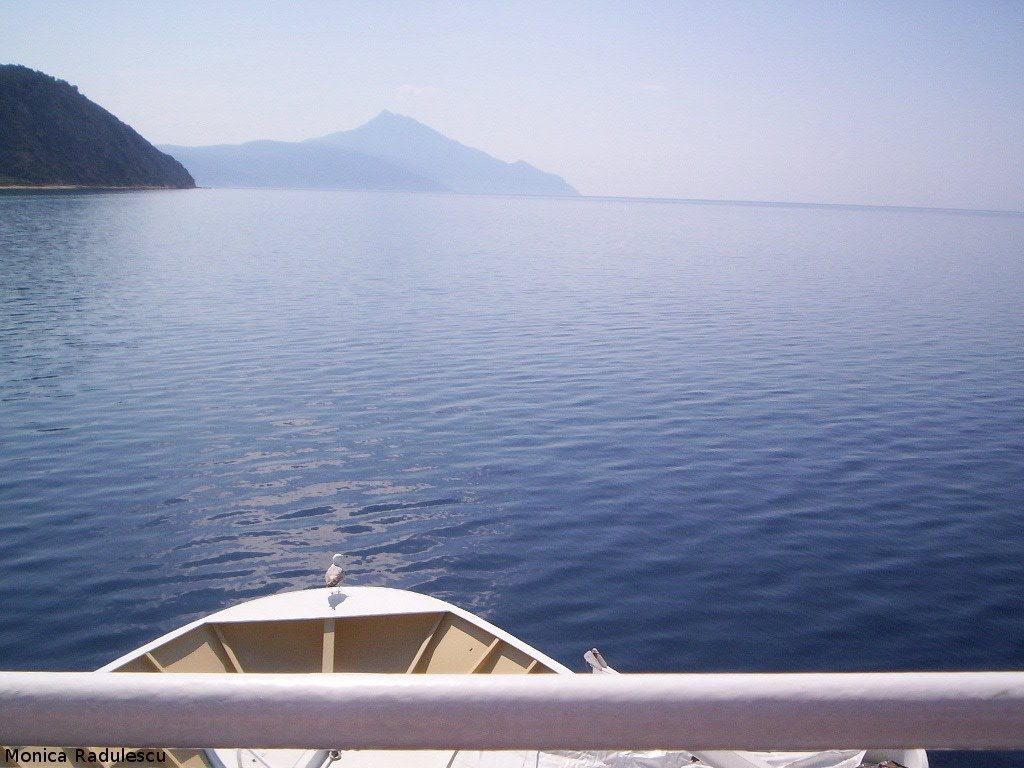
Take Advantage of the Golden Hours
In photography, Golden Hours are considered to be the first hour after the sunrise and the last hour before sunset. For a very limited period of time, the landscape is dressed in warm shades of orange, pink, and purple. These hours are usually preferred for landscape photography but are extremely precious when you are taking pictures on the water. There is something surreal in a colored ocean, with orange waves, and dark shores. Make sure you include a large portion of these waters in your pictures and not just the coastline. If you slow down your shutter speed, you’ll notice how the waves become a smooth surface, leading softly to the shore. You can try to progressively slow down the shutter speed and achieve an entire collection of the same image.
Taking photos from the water gives you an entirely different perspective. It’s like suddenly going inside a painting and realizing that mountains can be small, houses extremely small, and the horizon just a curved line. You have the freedom to play with your camera and to experience new sensations and compositions.