

Oxford Dictionary defines storytelling as “the activity of telling or writing a story.” But, we already know that you can share a story in music chords, through images, silent films, or animations.
A story can be told in many ways and photography is definitely one of them. But how can you put the entire narrative of a story in only one frame? This is the art of storytelling through photography.
Storytelling is about people
It is true: Storytelling is about people. However, these same people listen to stories about animals, objects, and places. This is why it is important to remember that storytelling isn’t just about people, but it is for people as well. This should be your motto.
Example: Rocks don’t care about stories with people, but people care about stories with rocks. So when photographing a rock, ask yourself, “What do I want people to know about this rock? What can they learn from seeing this rock? What do I want them to remember?”.
A story is based on a message and it is in your power to create that message. Be truthful to your art and your message.
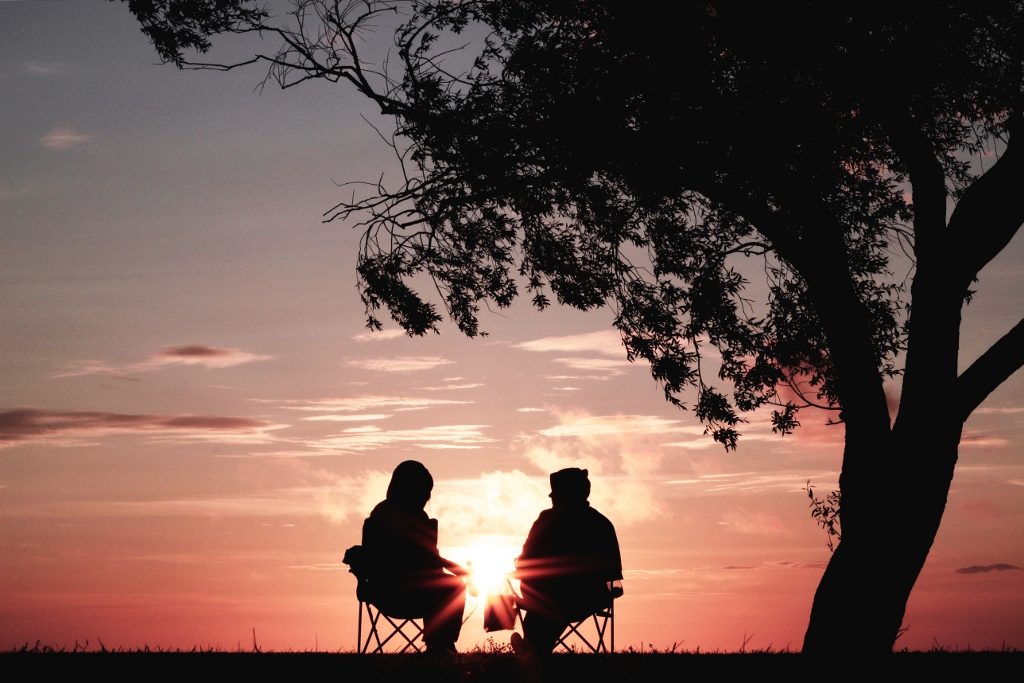
The secret is in composition
A good story is balanced and has a strong narrative direction. You can follow it easily, yet still, be surprised.
A good story also has characters, a plot, actions, and leads to an ending. After all, what is a story without these four things? Well, these same things need to be included in your photo essay/photo story/storytelling through photography… whatever you want to label it as.
Begin with identifying or creating the main characters, then work around them. Include as many objects as you need to build a plot and a place. The rules of composition help you establish where the viewer’s eyes will be. Rule of thirds and other composition rules are the tools to create a narrative into your picture.
Balance everything: colors, light, objects’ sizes, background, and foreground. Textures and patterns also attract the eye and should be balanced in sizes and positions. Geometry plays an important role too. The viewer will probably follow lines in a picture and look for familiar shapes. Use this information to give your viewer a natural path through your image.
Where to find the best story
Storytelling without a story cannot exist. But, where can you find a good story?
Well, pretty much everywhere. Every street, every city, every neighborhood, and every park have their stories. They might not be the stories that cover the front page of newspapers, but they are real stories.
Documentary photography takes storytelling to the next step and dedicates years of work to the same story. In fact, there are photographers who follow a family or a person and tell the story of a lifetime. However, until they get there, photographers should train regularly with daily stories and common characters.
To do this, go to festivals, public celebrations, gatherings… basically any event involving people. Observe nature and wildlife. Heck, your favorite cafe will suffice! Just revisit the same place over and over until you understand its true meaning. After all, taking pictures of the same place at different moments is a form of storytelling.
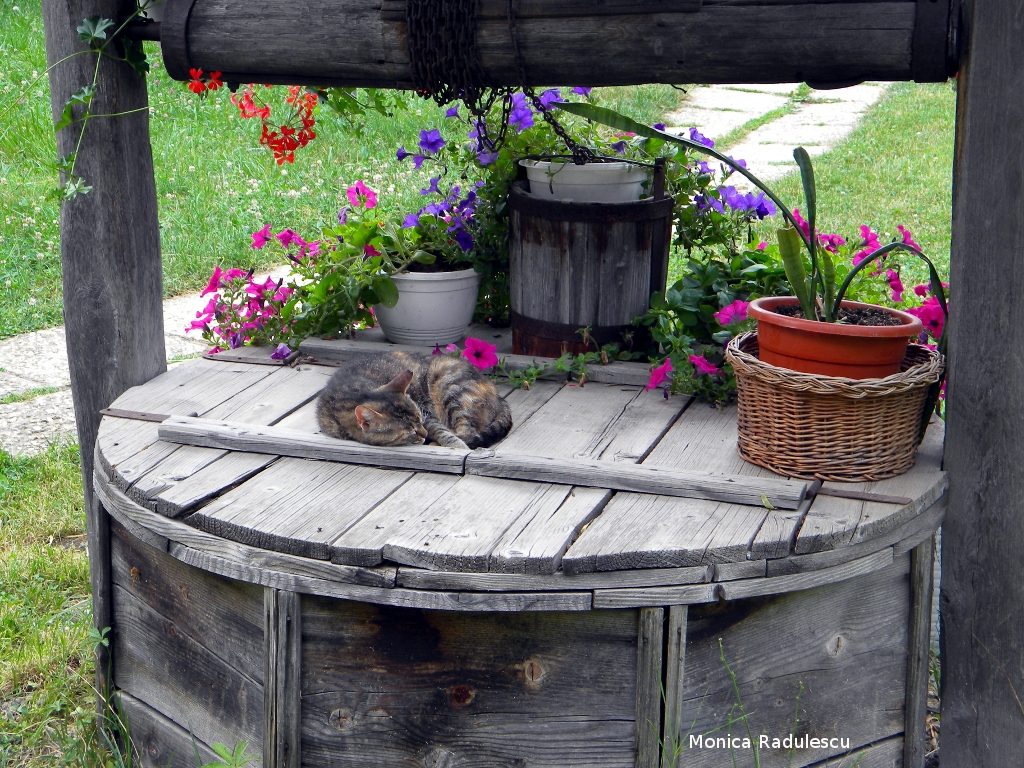
Storytelling photography is what every photographer should do. From documentary photography to street photography, portraits to travel photography, and everywhere in between, each picture you take should tell a story. Even poorly exposed pictures become great if they have a story to tell.
No matter the quality of your camera or how far away from home you went for a picture, what matters is composition. Always choose quality over quantity.
Like all good stories, your pictures will have your signature in every pixel.